
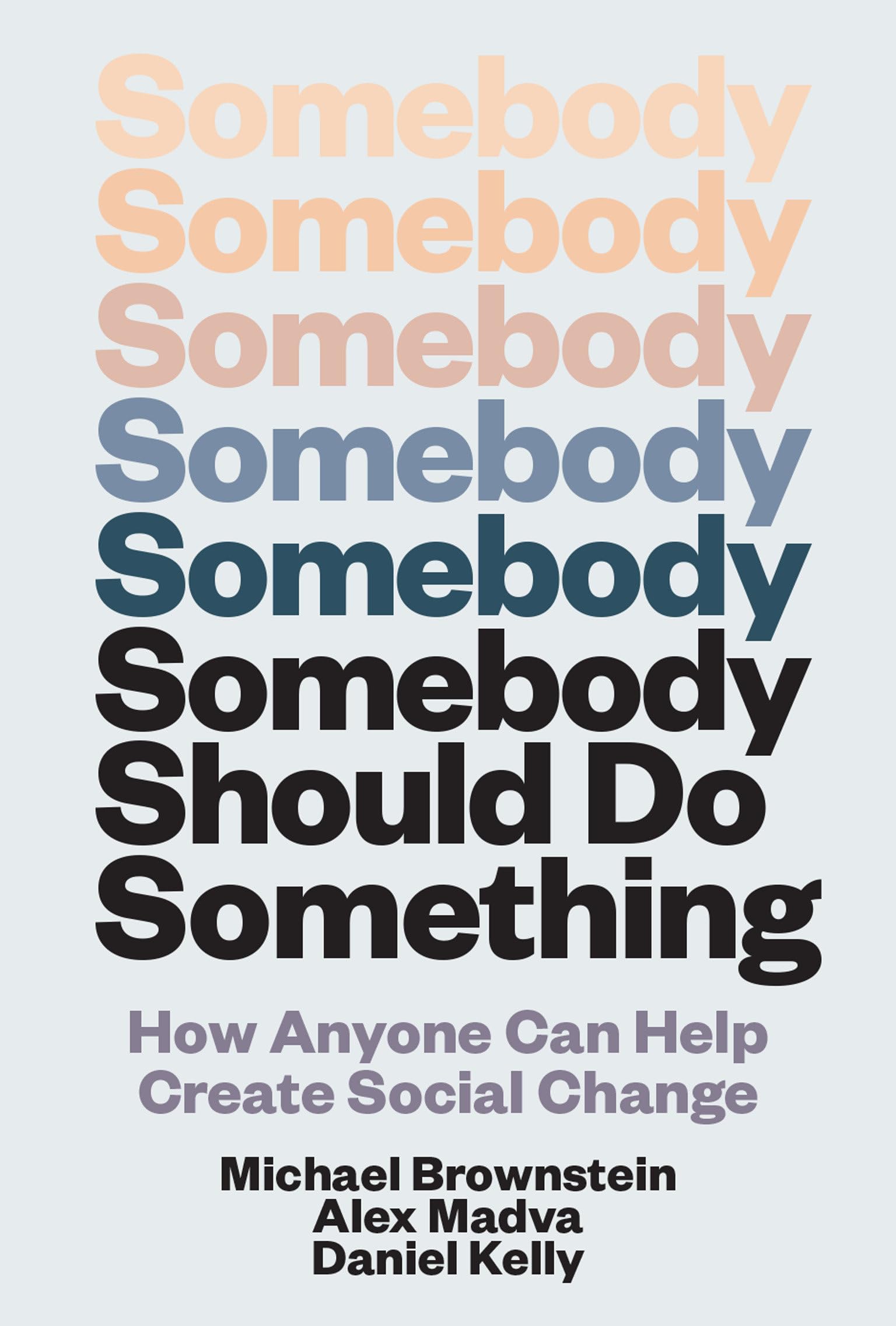
Achieving meaningful and sustainable social change is a complex task and a demanding challenge. Many of the most urgent problems, such as climate change, racism, and poverty are structural. They arise from collective practices, including laws, economies, history, culture and social norms. Yet structural change still depends on individuals making different choices—choices that confront existing structures and challenge established norms.
In their recent book “Somebody Should Do Something: How Anyone Can Help Create Social Change” Michael Brownstein, Alex Madva, and Daniel Kelly present a novel and scientific account of how personal choices can contribute to transformative social change. The authors argue that individual action matters most when it connects people to collective efforts. Meaningful change happens when individuals work with others to challenge and reshape existing structures. In this episode of Bridging the Gaps I speak with Professor Alex Madva.
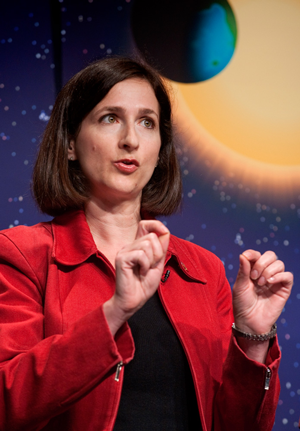
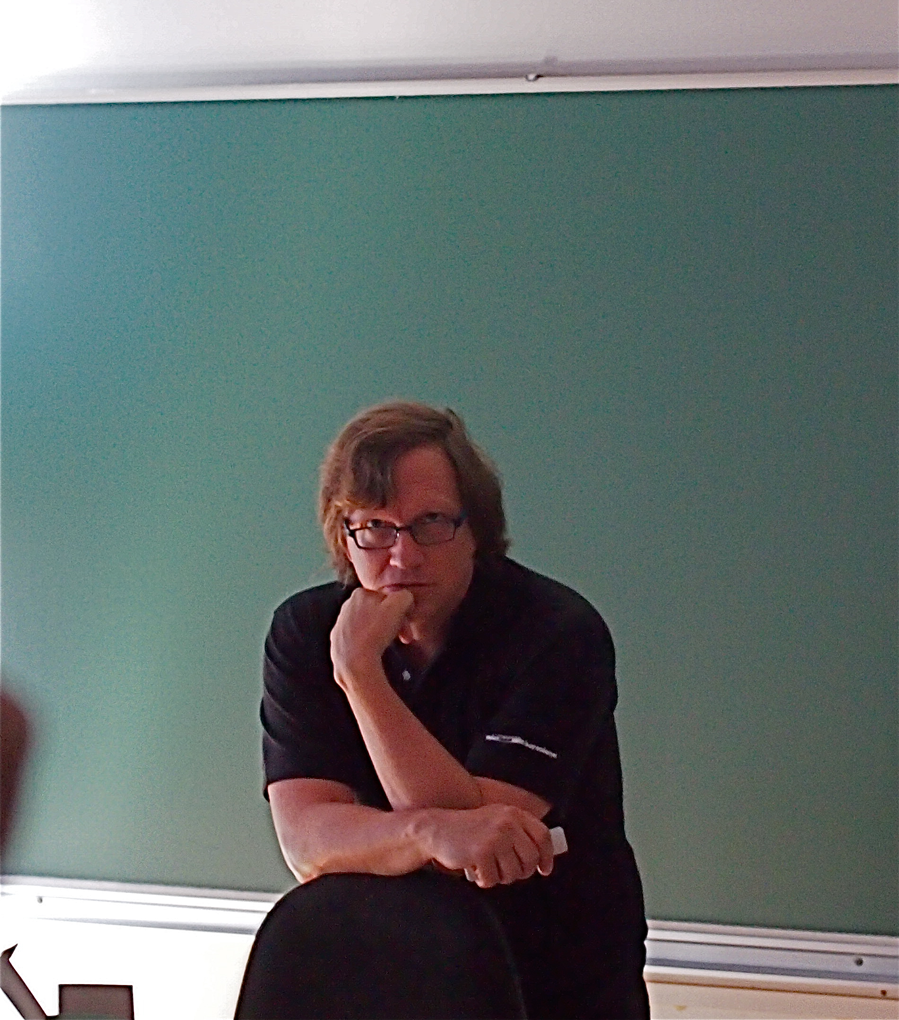
Alex Madva is Professor of Philosophy, Director of the California Center for Ethics and Policy, and Co-Director of the Digital Humanities Consortium at Cal Poly Pomona.
We begin our discussion by unpacking a key point made in the book: many people feel trapped in “either/or thinking” about personal choices and structural change, as though they must choose between the two. The authors describe the book as a way to help readers “get unstuck,” and we explore what this means in practice.
We then examine the book’s two central themes: the climate crisis and racism. We discuss why the authors focus on these issues rather than others. We also discuss the book’s writing style, including its use of humour, and consider the value of humour when addressing serious and complex topics.
The discussion then turns to pluralistic ignorance, particularly the problem of people not knowing how much others care about social issues. We examine this concept in depth. We also consider several real-world examples, including Chris Smalls’s unionization campaign at Amazon.
Finally, we discuss the differences between face-to-face and online activism. We reflect on whether activists should observe certain limits when their actions affect the daily lives of ordinary people. We also touch on research showing how small actions can create wider social effects, and how movements that appear to fail in the short term may still lay the groundwork for future victories.
Overall, this has been an enlightening discussion.
Complement this discussion with “The Painful Truth about Hunger in America” with Professor Mariana Chilton and then listen to “A Passion for Ignorance” and for Denials and Negations with Professor Renata Salecl.






Connect With Us