
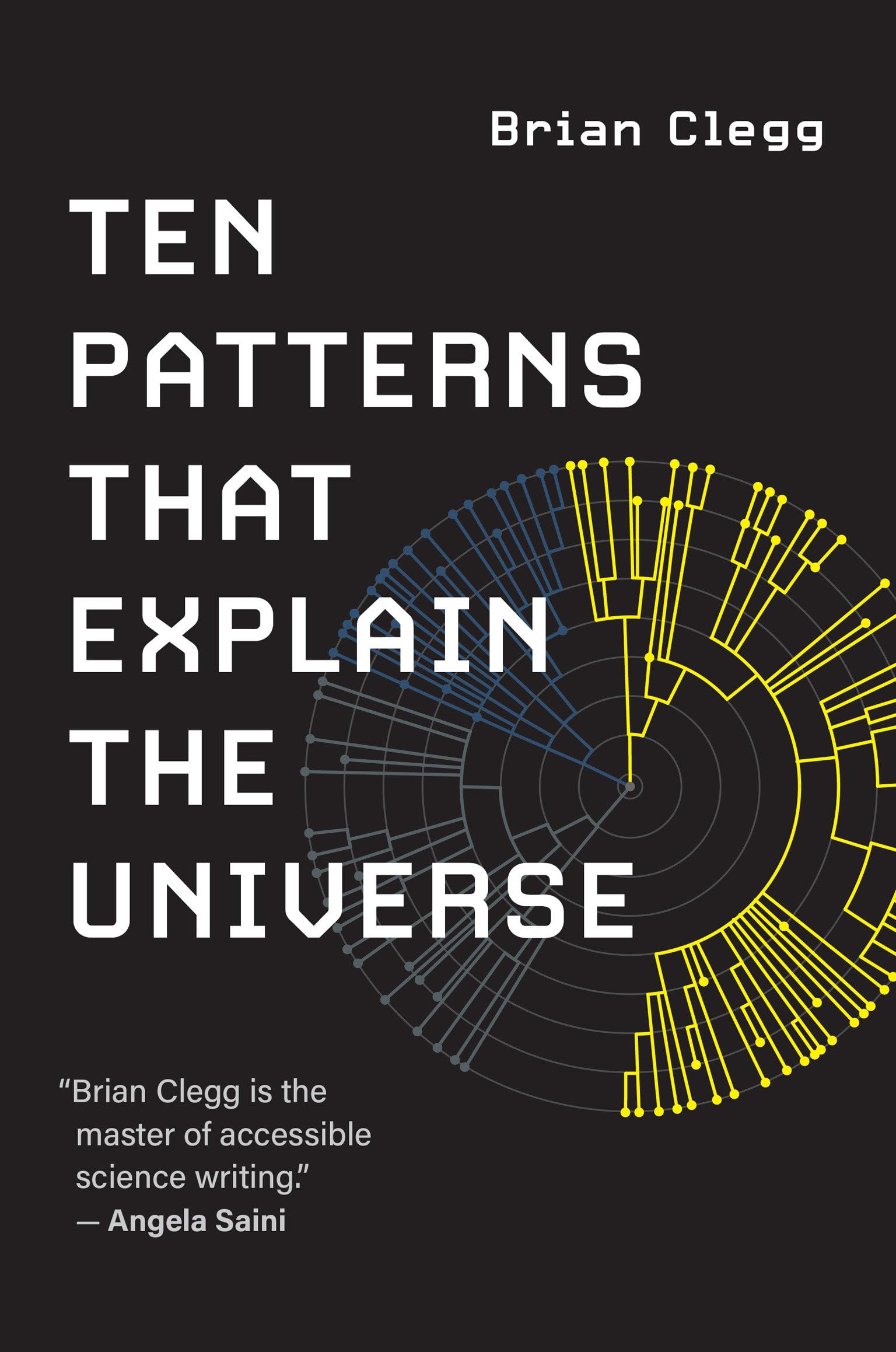
The universe may appear chaotic. Yet beneath this apparent disorder lies a vast network of rules. These rules shape patterns of action, force, and consequence. In “Ten Patterns That Explain the Universe”, popular science writer Brian Clegg examines the systems that govern the physical world. He focuses on ten essential patterns that reveal how the universe is structured and how it behaves. The book explores the relationship between space and time, the quantum behaviour of matter and light, and the origins of the cosmos. It explains how the cosmic microwave background, often described as the “echo of the Big Bang,” provides evidence about the early universe. It also shows how the periodic table reflects the underlying structure of atoms. Through clear explanations, detailed illustrations, and informative diagrams, Clegg presents a distinctive view of the universe and its fundamental workings. In this episode of Bridging the Gaps, I speak with Brian Clegg. We also discuss his book “Ten Days in Physics That Shook the World”, which examines pivotal moments when major scientific breakthroughs transformed our understanding of reality and reshaped everyday life.
Brian Clegg is an award-winning popular science writer and the author of more than thirty books.
I begin by asking Brian what inspired him to write popular science books. We then discuss the title of Ten Patterns That Explain the Universe. We explore what constitutes a pattern and how patterns can help us understand the workings of the universe.
Drawing on a question often raised in mathematics, I ask whether these patterns exist independently and are discovered by us, or whether they are created through human interpretation. We then examine several patterns discussed in the book. We begin with the cosmic microwave background, the residual heat left in the universe after the Big Bang.
Brian also includes several diagrams among the patterns presented in the book. I ask why diagrams, which are human-made representations, should be regarded as patterns that explain the universe. We discuss diagrams associated with quantum mechanics and consider what they reveal about events at the quantum level.
The conversation then turns to the patterns found in the periodic table. We consider whether the table could have been organised in other ways. We also discuss the double-helix structure of DNA and examine the many forms of symmetry found in nature. Brian explains why symmetry is his favourite pattern.
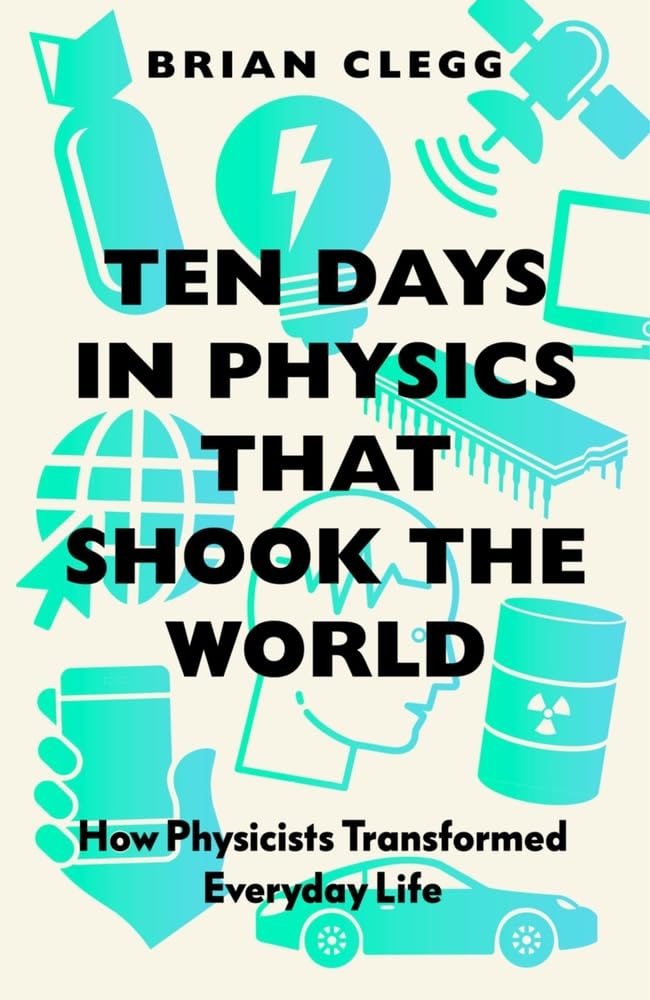
We then focus on Brian’s other book, Ten Days in Physics That Shook the World: How Physicists Transformed Everyday Life. I ask which of the ten days he considers the most significant. We also discuss the book’s final example: the establishment of the first internet connection.
The discussion concludes with the challenges created by information overload, misinformation, and disinformation. We consider the importance of public understanding of science and the role of effective science communication. I ask Brian which approaches are most successful, particularly within research and academic institutions. We also examine who should be responsible for communicating scientific findings: the original researchers or specialist science communicators.
Complement this discussion with “Sharing Our Science: How to Write and Speak STEM” with Professor Brandon Brown and then listen to On Public Communication of Science and Technology with Professor Bruce Lewenstein










Connect With Us