
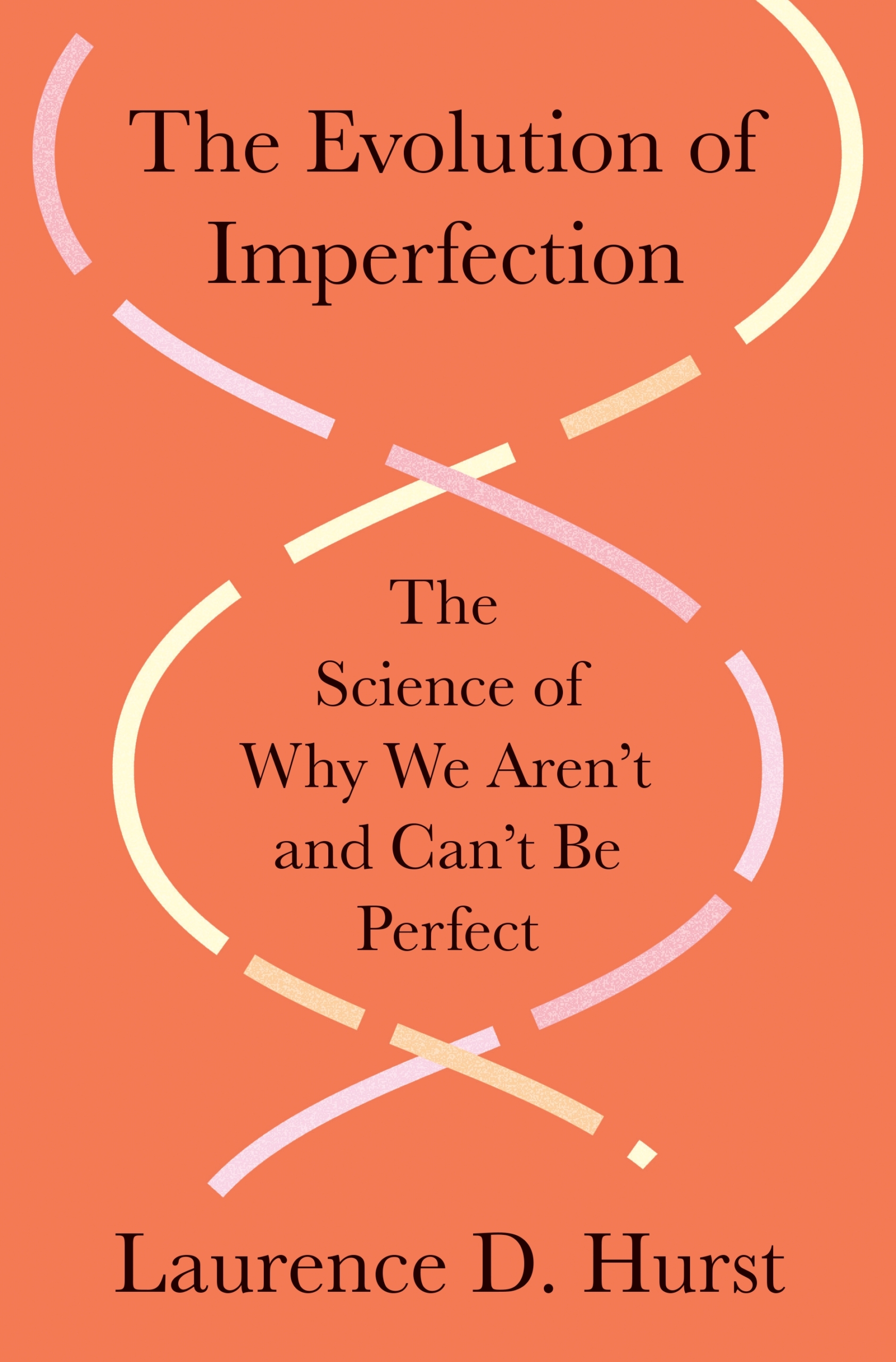
“The Evolution of Imperfection: The Science of Why We Aren’t and Can’t Be Perfect” with Professor Laurence Hurst
Evolution is often described as a process of constant improvement. Yet many features of human biology challenge this assumption. Genetic diseases remain common. Large parts of our DNA appear to serve no clear purpose. Pregnancy is also highly inefficient, and many fertilised eggs do not survive.
These apparent flaws raise wider questions about how evolution works. Are they failures of natural selection, or are they predictable outcomes of evolutionary processes? What role do pregnancy, population size, mutation, and chance play in shaping the human genome?
In his book, “The Evolution of Imperfection: The Science of Why We Aren’t and Can’t Be Perfect” evolutionary geneticist Laurence Hurst examines these questions. He explores how genetic medicine may reduce the effects of these inherited weaknesses. By examining the apparent failures of evolution, the book offers a deeper account of natural selection and a richer understanding of what it means to be human. In this episode of Bridging the Gaps, I speak with Professor Laurence Hurst.
Laurence Hurst is professor of evolutionary genetics in the Milner Centre for Evolution at the University of Bath. His research on how genetic systems evolve, and the application of this knowledge to medicine, has been recognized with national and international prizes and fellowships.
We begin by discussing several evolutionary imperfections examined in the book. I then ask Laurence to explain what DNA is and how it contributes to evolution. His explanation provides a foundation for the rest of the conversation.
We return to the question of imperfection and examine it through the lens of genetics. We discuss the biological challenges of pregnancy and the complex interaction between the embryo and the mother. Laurence explains why some of these processes appear counterintuitive. We also discuss the role of chance in shaping evolutionary outcomes.
The conversation also explores so-called “junk DNA,” the sections of the genome whose functions remain unclear. We then turn to emerging technologies, including gene therapy and CRISPR. We consider how fair and equal access to these tools could help address genetic diseases and inherited imperfections.
The discussion offers an insightful exploration of several complex ideas in evolution, genetics, and modern medicine.
Complement this discussion with “The Evolution of Biological Information: How Evolution Creates Complexity, from Viruses to Brains” with Professor Christoph Adami and then listen to “The Network of Life: A New View of Evolution” with Professor David Mindell

Connect With Us