
What is the true nature of reality? Can the two great pillars of modern physics — Einstein’s general relativity and quantum mechanics — ever be reconciled into a single theory of everything? Could our universe be just one among countless others? Is the passage of time an illusion? And can the laws of physics ultimately explain consciousness, meaning, and our place in the cosmos? Few scientists have explored these profound questions with as much depth, imagination, and clarity as Professor Brian Greene, one of the world’s leading theoretical physicists and one of the most gifted communicators of modern science. In this episode of Bridging the Gaps, I speak with Professor Brian Greene.
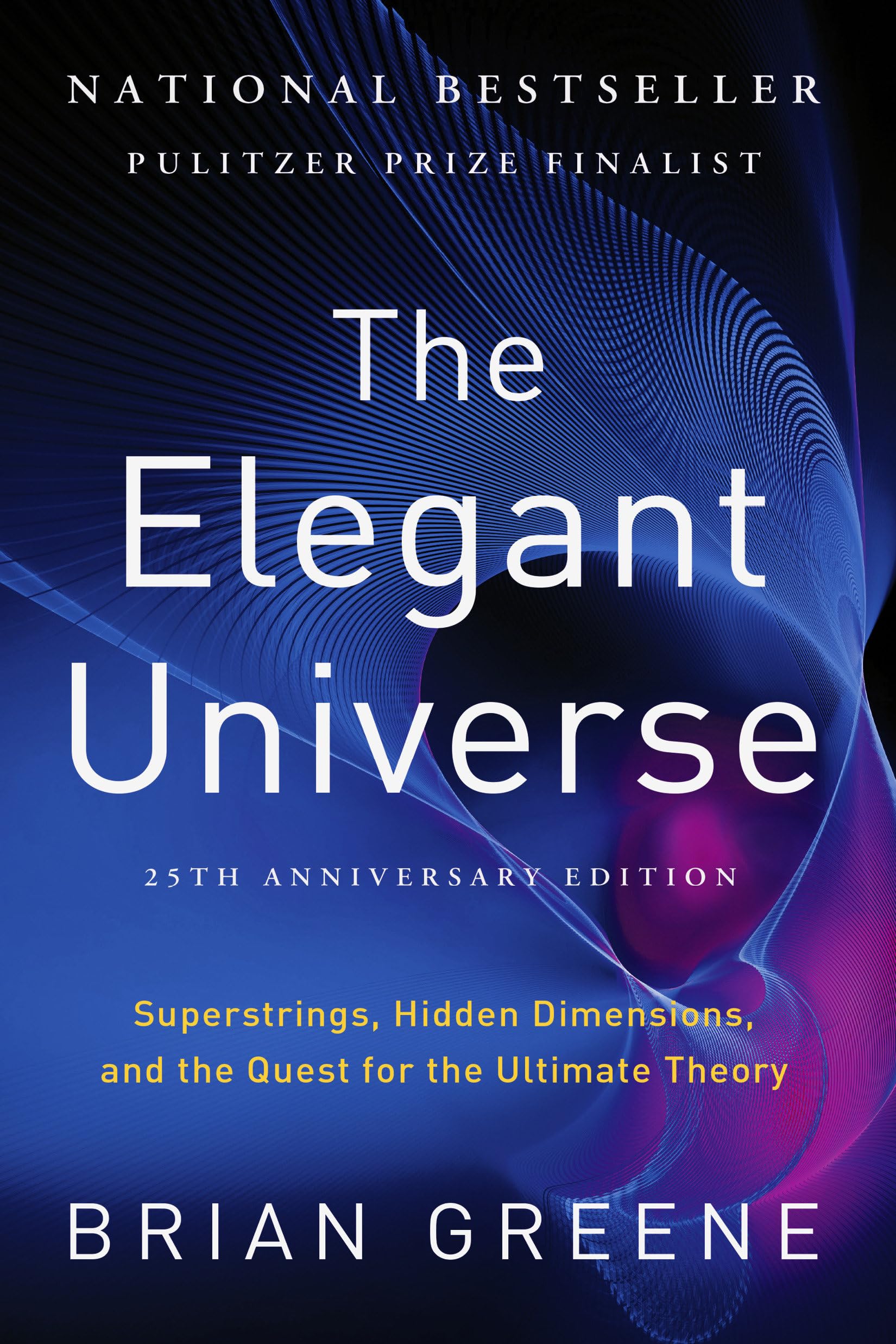
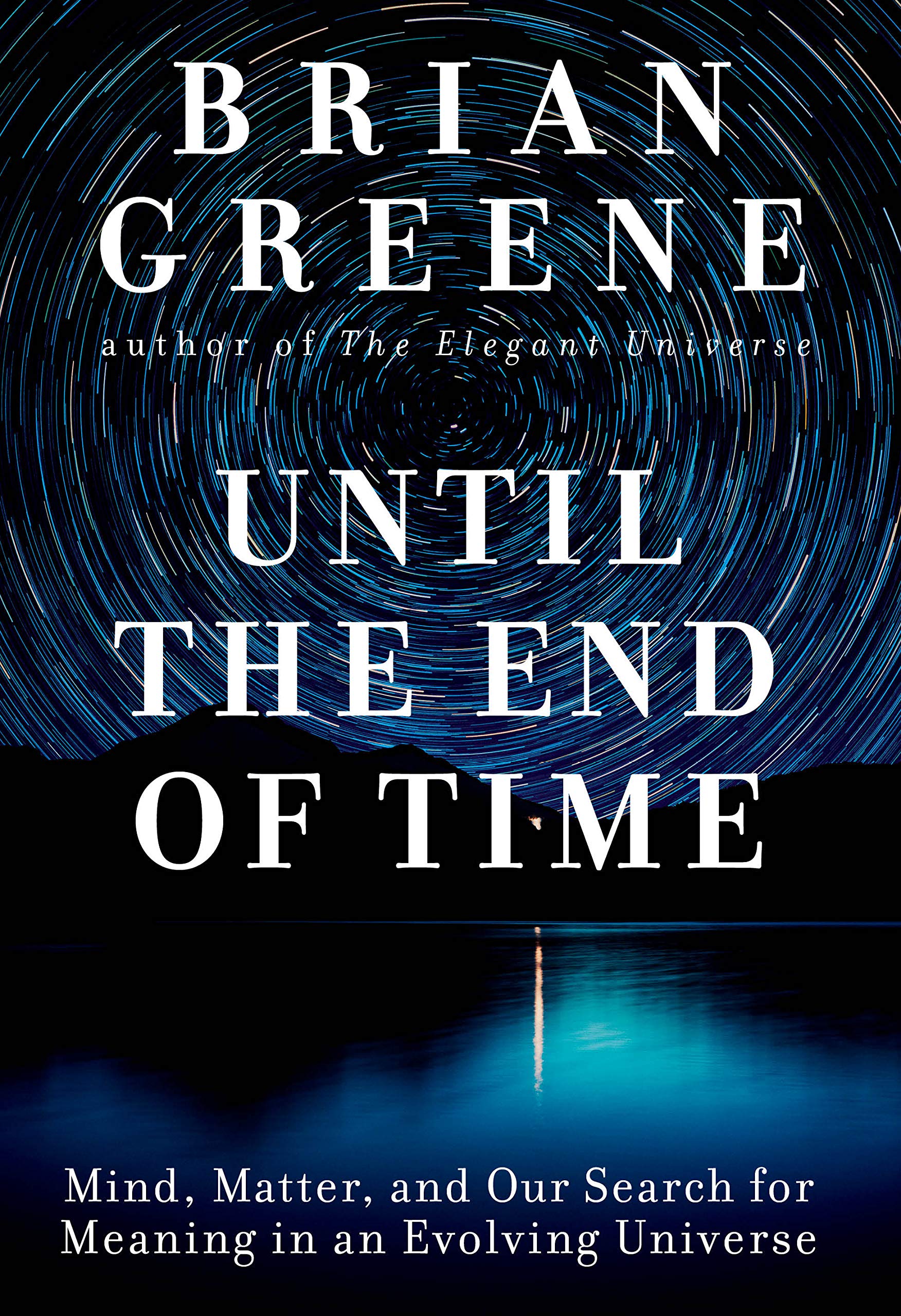
Brian Greene is a professor of physics and mathematics at Columbia University and director of its Center for Theoretical Physics. He is renowned for his pioneering contributions to string theory, including his co-discovery of mirror symmetry and groundbreaking work on the changing geometry of space. A Harvard graduate and Oxford-trained Rhodes Scholar, he is also the bestselling author of “The Elegant Universe”, “The Fabric of the Cosmos”, “The Hidden Reality”, and “Until the End of Time” — remarkable books that have brought some of the deepest mysteries of physics, cosmology, and human existence to readers around the world. He is also the co-founder of the World Science Festival, an initiative dedicated to bringing science to the wider public.
We begin our conversation by exploring his intellectual journey into string theory and the enduring quest for a unified understanding of nature. We discuss the fascinating ideas of vibrating strings, hidden dimensions, and the fundamental structure of spacetime, before examining the scientific challenges facing string theory and the continuing search for experimental evidence.
We then discuss the extraordinary possibilities of multiverses and parallel universes, and explore the mysterious nature of time — why it seems to move in only one direction, and whether the boundaries between past, present, and future are as real as they appear.
Our discussion then moves beyond physics into some of the deepest questions of human existence: how mind and consciousness emerge from matter, whether subjective experience can be explained by physical laws, and what it means to search for purpose and meaning in a vast and seemingly indifferent universe.
We also turn to artificial intelligence, examining its extraordinary advances, its implications for our understanding of cognition, and the profound ethical and societal challenges it presents. We reflect on the importance of making science accessible to everyone, before concluding with a fascinating question about extraterrestrial life: Would it be more unsettling to discover that we are not alone in the universe, or to learn that we truly are?
It has been a wide-ranging conversation that takes us from the smallest vibrating strings to the largest cosmic horizons, and from the fundamental laws of nature to the mysteries of consciousness, intelligence, and human existence.
Complement this discussion with “Welcome to the Universe in 3D: A Visual Tour” with Neil deGrasse Tyson and then listen to Time, Space and Nature of Reality through the Lens of Quantum Theory with Dr Carlo Rovelli.

Connect With Us