
“Nano Comes to Life”: DNA NanoTech, Medicine and the Future of Biology with Professor Sonia Contera
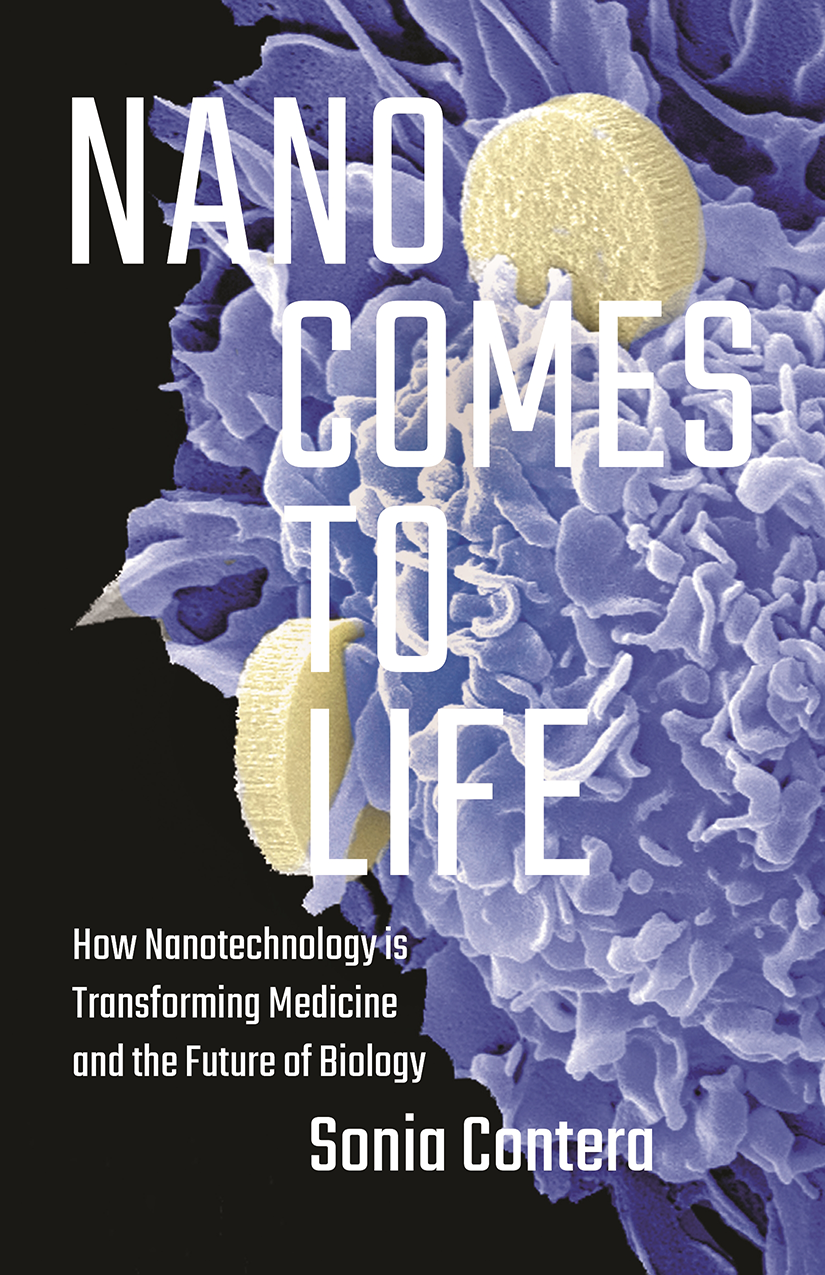
Nanotechnology allows scientists to better understand, interact with, and manipulate biology by creating and manufacturing artificial structures and even machines at the nanoscale out of DNA, proteins, and other biological molecules. From nanoscale machines that can target individual cancer cells and deliver drugs more effectively to nanoantibiotics that can fight resistant bacteria, to the engineering of tissues and organs for research, drug discovery, and transplantation, nanotechnology is revolutionizing medicine in ways that will have profound effects on our health and longevity.
In this episode of Bridging the Gaps I speak with Professor Sonia Contera and we discuss fascinating research that she presents in her book “Nano Comes to Life: How Nanotechnology Is Transforming Medicine and the Future of Biology”. The book introduces readers to nanotechnologies, which are fast advancing and allowing us to influence the basic building components of life. Sonia Contera provides an insider’s view of this new frontier, explaining how nanotechnology permits a new sort of transdisciplinary science that has the potential to give us power over our own biology, health, and lifestyles. Sonia Contera is professor of biological physics in the Department of Physics at the University of Oxford. Her work lies at the interface of physics, biology, and nanotechnology, with a particular focus on the role of mechanics in biology.
We start by discussing the scale at which nanotechnologies function. The evolution of instruments and technology that allow us to perceive and interact with matter on such a microscopic scale is then discussed. The convergence of numerous sciences that are at the heart of such breakthroughs are then discussed, allowing us to build nano-scale structures from the ground up. We then discuss the fascinating research that enables researchers to design proteins on a computer simulator, figure out what kind of GENOME will make such protein from that simulated protein, create that GENOME, and then put it in a real cell to create that protein in reality. We also touch upon the cutting edge research in DNA Nanotechnology and other enabling technologies such as Artificial Intelligence, and the future of biology and medicine. This has been a fascinating discussion.
Complement this discussion by listening to “Artificial Intelligence: Fascinating Opportunities and Emerging Challenges with Professor Bart Selman and then listen to Is Philosophy Dead? On the Bittersweet Relationship Between Science and Philosophy” with Professor Tim Maudlin.
Connect With Us